

Make a Statement with Unique Shiplap Wall Designs
We’ve all seen shiplap in a horizontal or vertical application, but it is not limited to only these types of orientations. Shiplap can be installed...

Search
3 min read
Once you begin planning a project that calls for wood, one of the first decisions you’ll face is whether to use MDF or real wood. Both materials can look similar once installed, but they perform very differently, which makes it important to understand how each one behaves in a home environment.
Medium-density fiberboard (MDF) is an engineered wood product made from wood fibers combined with resin and wax. The mixture is compressed into dense, smooth panels. It’s commonly used as an alternative to solid wood in trim, cabinetry, and interior projects where a perfectly smooth, paint-ready surface is needed.
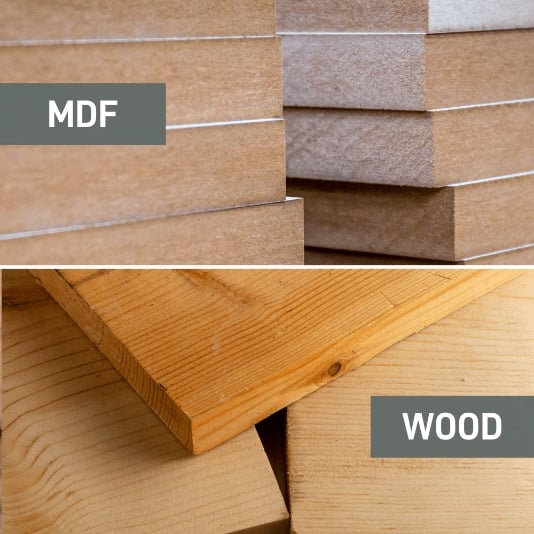
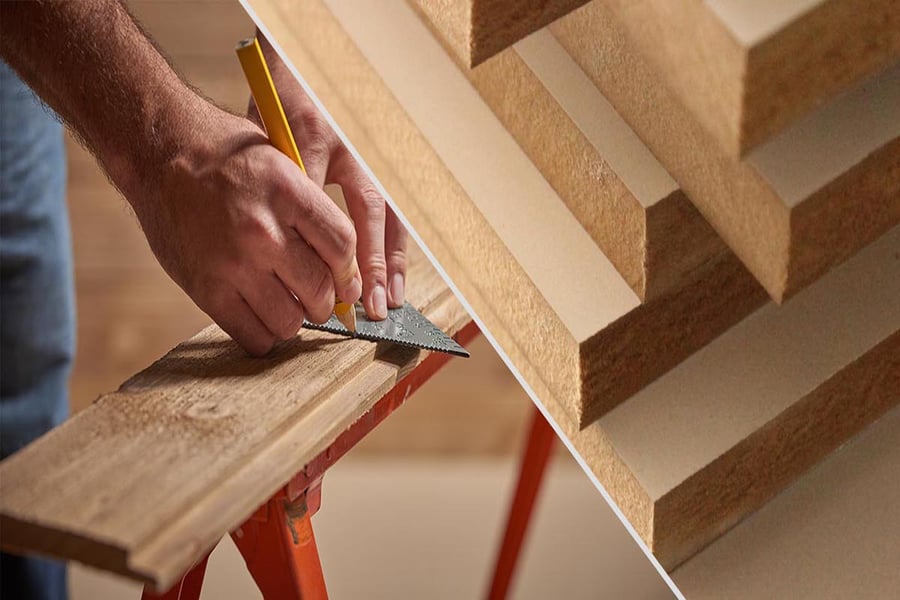
You can see from the edges of these medium-density fiberboards that the engineered wood is a composite of material.
MDF performs best in dry, controlled environments. It is not recommended for:
These limitations are the most common reasons MDF fails in the wrong setting.
Real wood, or solid wood, refers to natural lumber that hasn’t been broken down or re-formed through a manufacturing process. Each board retains the grain patterns and characteristics of the tree it came from, which is why no two pieces are exactly alike.
Wood species fall into two categories: hardwoods (such as oak, walnut, birch, and ash) and softwoods (such as pine, poplar, acacia, and cedar). Both types are used in home projects depending on the desired look, durability, and price point.
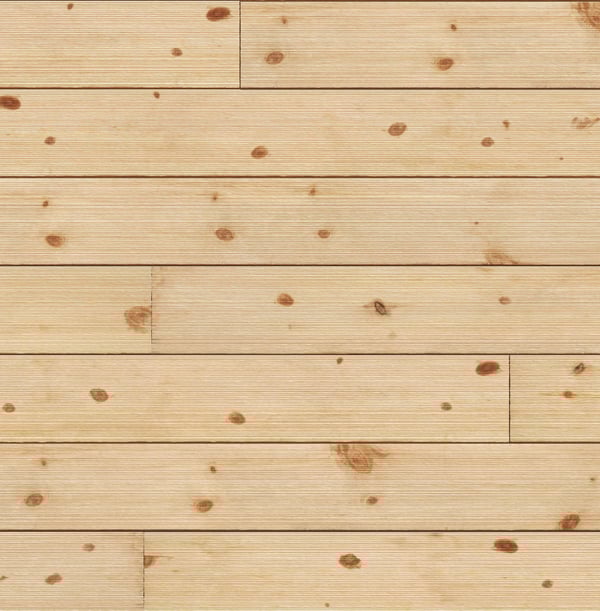
Our Rustic Natural shiplap clearly shows the small knots and grain of the pine wood it's made from.
The right material depends on where and how it will be used. MDF performs well in dry, temperature-controlled rooms, making it suitable for interior trim, built-ins, and painted cabinetry. It should not be used in bathrooms, laundry rooms, or any space where it may be exposed to moisture. MDF can tolerate everyday household humidity, but repeated steam exposure or small leaks can cause it to swell or deteriorate.
Real wood is a better choice for areas that may see humidity changes or occasional moisture. It’s also the preferred option for stain-grade projects, long-term durability, and spaces where authenticity or natural warmth is part of the design goal.
Homeowners often choose MDF when they want a perfectly smooth, painted finish—especially in modern interiors where uniformity is important. Real wood tends to be the better choice for longevity, natural character, or projects that must handle seasonal movement, daily wear, or load-bearing needs.
If your project will be touched, bumped, or exposed to temperature swings, real wood generally performs better over time.
Both materials can be responsible choices depending on the project. MDF makes use of wood fibers and byproduct material, while real wood is valued for its longevity and renewability. Sustainability comes down to the application, the species selected, and the product’s lifespan in the home.
If you are looking to use genuine wood, explore our selection of products made from high-grade lumber, free of wane with small, tight knots that highlight the warm characteristics of natural wood. We value the quality real wood brings to the home and the beauty of natural wood grain.
Our shiplap and trim feature a variety of styles with unique textures, clean lines, and pre-painted colors—ideal for upgrading walls and ceilings.
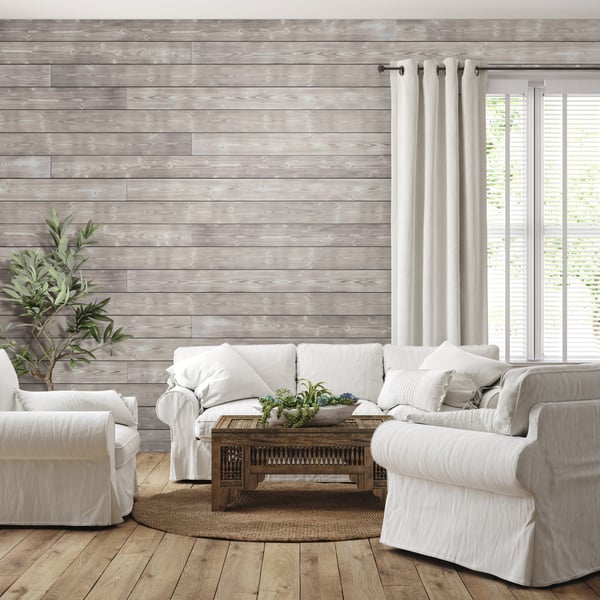
This accent wall features our Charred Wood Smoke White shiplap, known for its unique wood grain.
Our pattern boards provide a decorative finish to both the inside and outside of homes. They come in several profile options as well as different finishes, species, and sizes. With a wide range of options to choose from, you’ll be able to create a room or project that perfectly captures your vision.
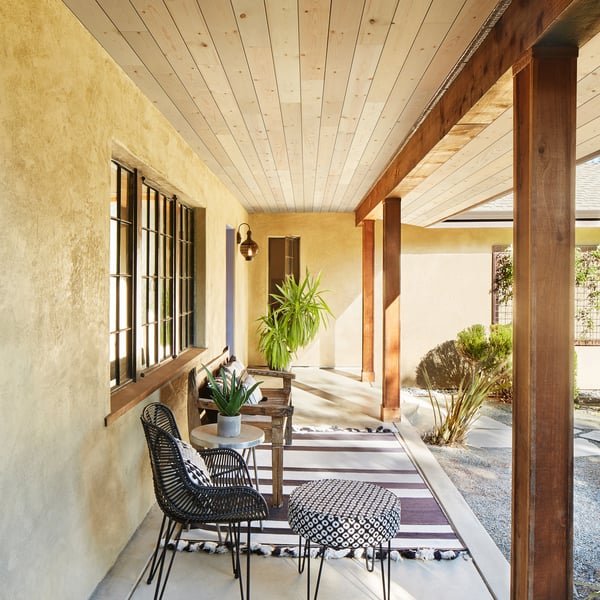
This covered porch features our 1x4 square edge shiplap in a natural finish.
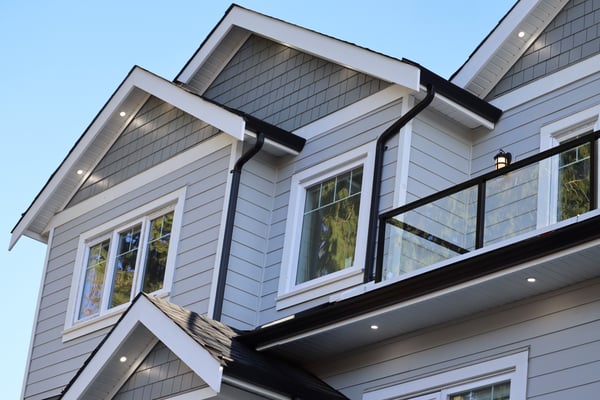
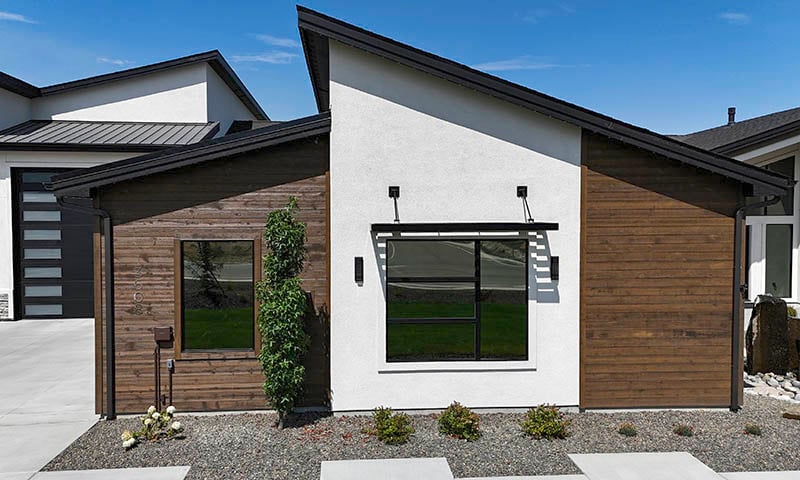
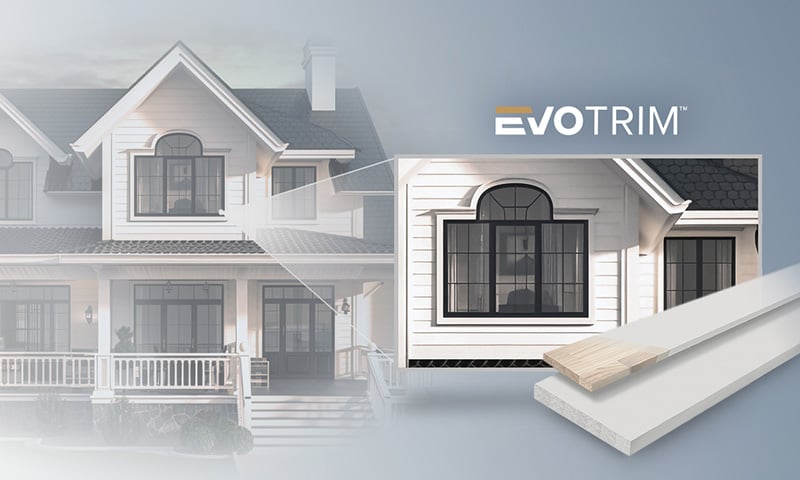
This home's exterior features our EvoTrim™ finger-jointed trim–the premier exterior wood trim product on the market.
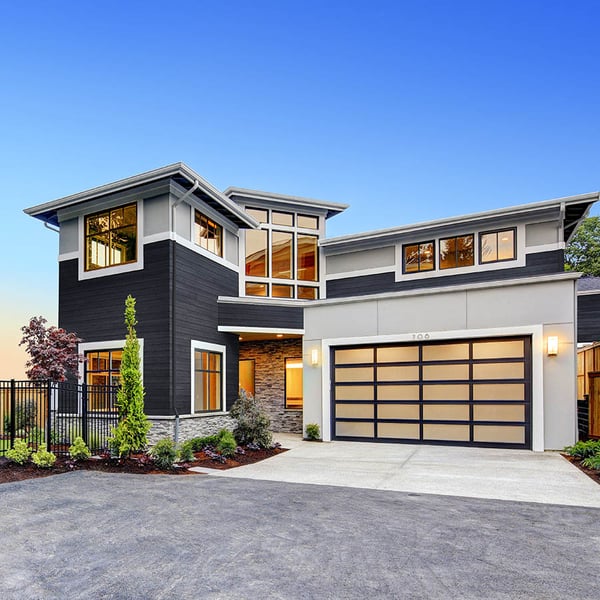
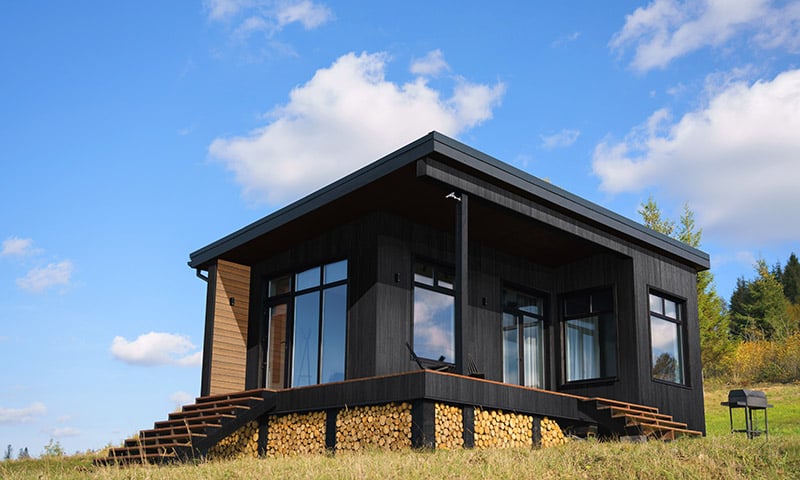
This home's exterior features our ForgeWood siding in Coal finish.
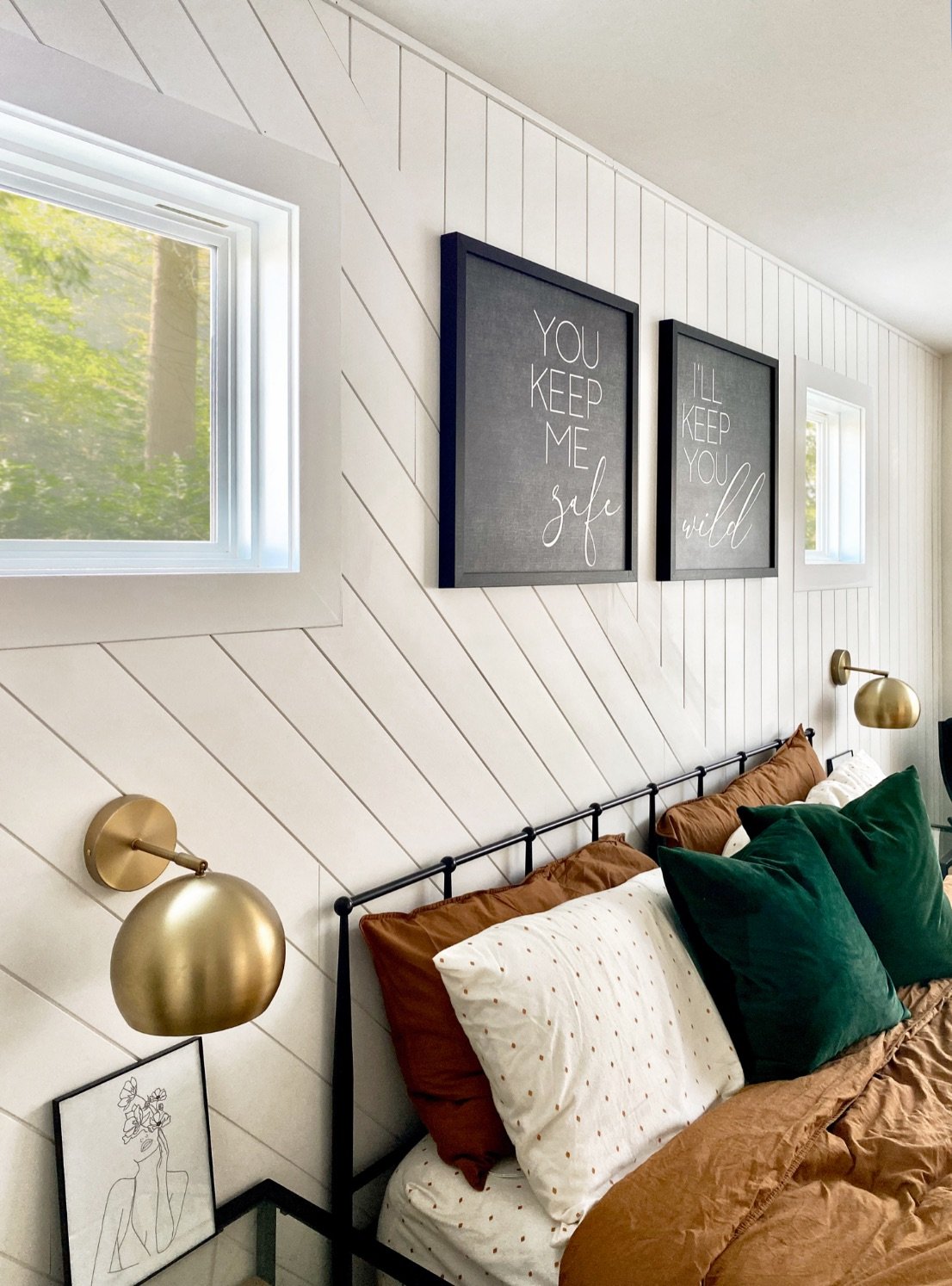
We’ve all seen shiplap in a horizontal or vertical application, but it is not limited to only these types of orientations. Shiplap can be installed...
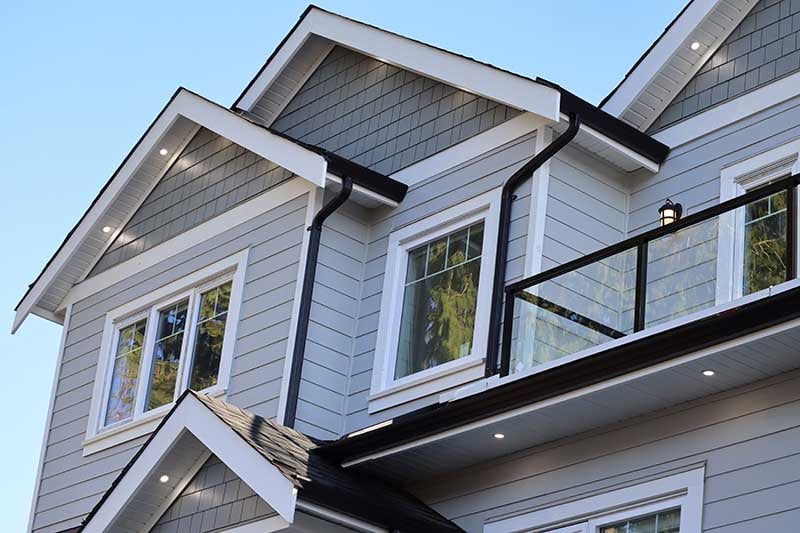
When it comes to exterior trim solutions, EvoTrim™ from Edge stands out as a top choice for construction professionals and dealers alike. Engineered...
In the world of sustainable architecture, innovative materials continue to emerge, paving the way for environmentally conscious designs. One such...
How many times have you pinned a colorful interior space on Pinterest and thought, I would love to live in a space like that. But then your next...