



Wood Drenching: Why Natural Wood Creates Homes That Feel Like Home
You know that feeling when you walk into a space and immediately exhale? When your shoulders drop and something inside you just... settles? You've...

Search
2 min read
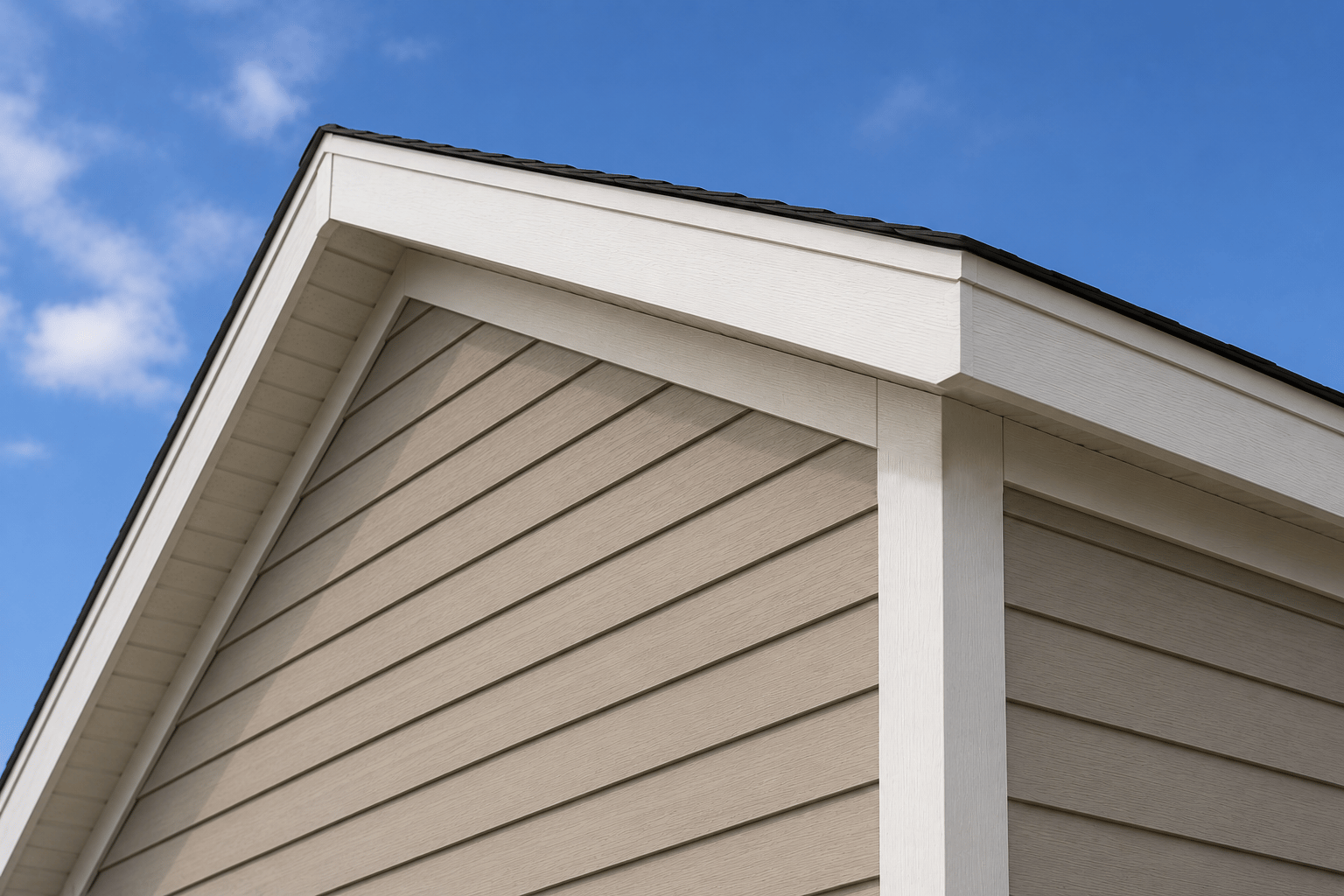 Most homeowners never inspect a trim board, but they do notice a gap at a corner. Fair or not, miter joints become the visual shorthand for the quality of an entire installation, which makes them worth understanding for anyone who sells, specs, or installs exterior trim.
A miter joint is created by cutting the ends of two pieces of material at matching angles so they fit together seamlessly. Miters appear wherever clean, continuous lines matter most: corner boards, window and door trim, and fascia details. Done well, they create the crisp transitions that elevate a home’s finished appearance. A well-executed miter also must withstand seasonal movement, preserving both the look and the performance of the project over time.
The same joints that enhance a finished project can become its most noticeable flaw when they fail, and exterior applications put them to the test. Trim, corner boards, and fascia face constant exposure to changing conditions. Moisture absorption and seasonal temperature swings cause building materials to expand, contract, and shift. Because miters meet at an angled seam, even small amounts of movement can open the joint. The result is visible gaps, open corners—and for contractors, callbacks.
 Every Material Moves
Trim is only as good as its corners, which is why one of the long-standing questions in the industry is which materials hold a miter best.
Every exterior material responds to the elements in its own way, and managing that movement has always been part of the craft. PVC, for example, will not absorb water or rot, but it expands and contracts with temperature more than many other building materials. Without installation techniques that account for that movement, miters can separate over time, leaving visible gaps at corners.
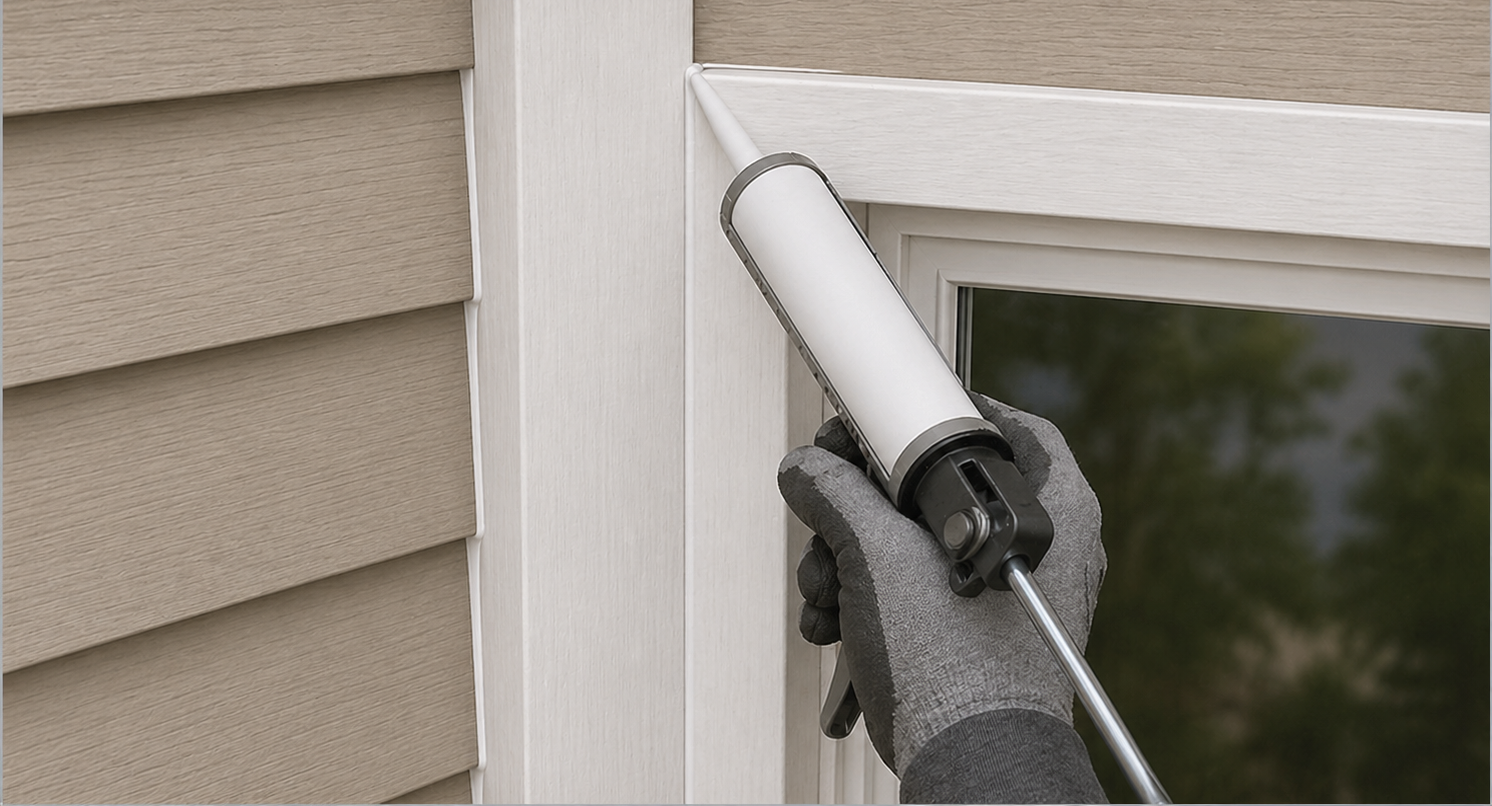
That’s why many builders lean on caulk to hide miter imperfections. Caulk can absorb some of the expansion and contraction, but it’s rarely the cleanest look and deteriorates over time, turning a quick fix into recurring maintenance.
For a long-lasting miter joint, one material property stands above the rest. Dimensional stability is a material’s ability to hold its original size and shape despite swings in temperature, moisture, or mechanical stress. Miters are sensitive to even small amounts of movement, so the more stable the material, the tighter the seam stays.
The benefits go beyond aesthetics. Every contractor dreads being called back to a finished job to fix small imperfections caused by material movement rather than workmanship. With inferior products, those return trips come with the territory. Greater dimensional stability means tight, consistent joints; more predictable jobsite performance; and a more durable, lower-maintenance exterior. For homeowners, it means a finished product that keeps its appearance year after year.
Arris™ is a premium mineral-based composite trim from EDGE, made with proprietary Surestone® technology first proven in premium Deckorators® decking. Engineered for exceptional dimensional stability, Arris exhibits significantly less expansion, contraction, and moisture-related movement than traditional trim options. Miter joints stay tight and clean, even through changing weather, so callbacks caused by material movement can become a thing of the past.
Arris is also built for the jobsite. Its durable white capstock resists scratches, scuffs, and weather exposure while providing a low-maintenance finish, and the lightweight material is easy to cut, handle, and install. Contractors get efficiency without giving up craftsmanship.
 Built for Long-Term Performance
Exterior trim has traditionally forced trade-offs between appearance, performance, and maintenance. Advances in material technology, like the introduction of Arris, are changing that equation.
Because in the end, tight corners aren’t just a finishing detail. They’re a measure of long-term trim performance and a visible reflection of the craftsmanship behind the work.

You know that feeling when you walk into a space and immediately exhale? When your shoulders drop and something inside you just... settles? You've...
When it comes to wood siding options, poplar might not be the first species that comes to mind—but it should be. This versatile hardwood is making...
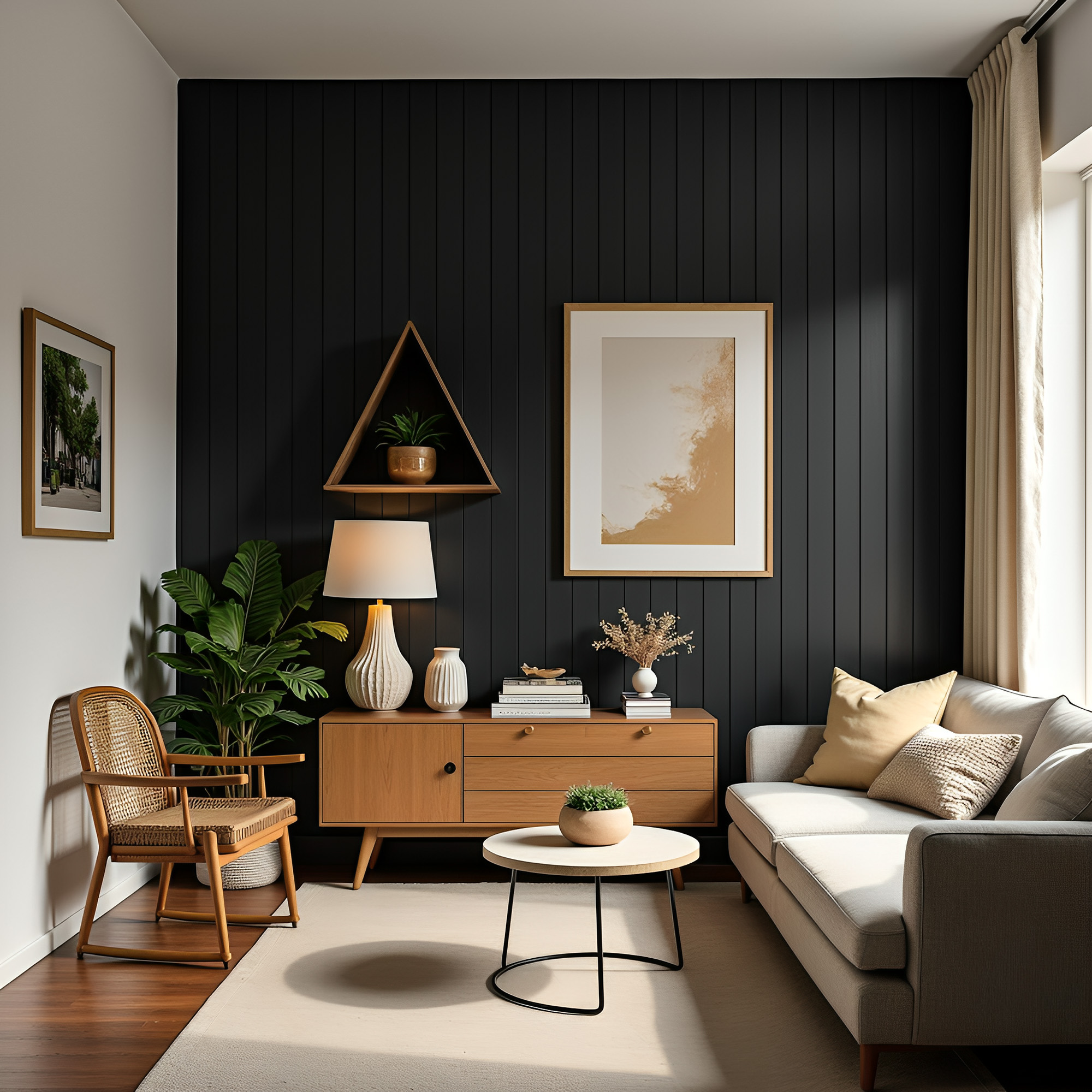
The rustic farmhouse trend that dominated home design for the past decade is evolving, and with it, our approach to wood accent walls. While white...

When it comes to finishing the exterior of a home, trim plays a crucial role in both protection and aesthetics. While "trim" is often used as a broad...